Face (Extended Multiplanar Multivector Facelift)
← Back to Procedures, Fees & Photos
There is much misunderstanding and misinformation about the rejuvenative surgical procedure called “Facelift” or “Rhytidectomy”. An appropriately performed facelift rejuvenates the aged area of the face from the level of the eyes to the lower border of the lower jaw (including jowls) and in front of the ears to the nose and corners of the mouth. A facelift does not rejuvenate the corners of the mouth. A facelift does not rejuvenate the upper eyelids, eyebrows or forehead (accomplished by an Endoscopic Browlift). A facelift does not rejuvenate the center of the neck (accomplished by a Cervicoplasty or necklift). Total facial rejuvenation usually requires a browlift, a facelift and a necklift.
A successful facelift should look natural and remain stable for more than 10 years.
In the U.S., 90% of surgeons perform a SUPERFICIAL PLANE or SMAS Facelift. This involves undermining the skin and pulling on the layer (fascia and muscle) beneath the skin and, under tension, either oversewing it or removing a small section, or simply suspending it with special threads. Tension is also placed on the skin. In most patients, this gives an unnatural pulled look, especially during animation (e.g. smiling), and typically this type of facelift relapses to the presurgical aged condition in 1–5 years, requiring another facelift. Approximately 50% of Dr. Evans’s practice is revision or secondary facial surgery for surgery that had been performed by other surgeons (especially facelifts). It is best to have the correct procedures performed the first time.
The other 10% of U.S. surgeons, including Dr. Evans, perform a DEEPER PLANE facelift. This involves undermining the skin as well as the layer (fascia and muscle) beneath the skin and passively mobilizing and relocating this layer to the correction position without tension. The skin is redraped without tension. This technique gives a natural “unoperated” look, especially during animation and remains stable for 10–20 years and often longer, depending on the amount of subcutaneous fat. This technique takes longer (2 additional hours) to perform, is technically more demanding and is more expensive. Dr. Evans believes the results are worth it. He only performs DEEPER PLANE facelifts. This facelift is typically performed concurrently with an Endoscopic Browlift and a Cervicoplasty (Necklift).
When performed appropriately, the post surgical swelling and bruising from the deeper plane facelift are similar and often better than the superficial plane facelift techniques (see Post Surgery). When performed appropriately, the deeper plane techniques also have significantly less undesirable results than the superficial plane techniques.
Fee Range (Primary): $12,500 – $18,500 (we no longer accept credit cards)
Facelift – Before and After Photos
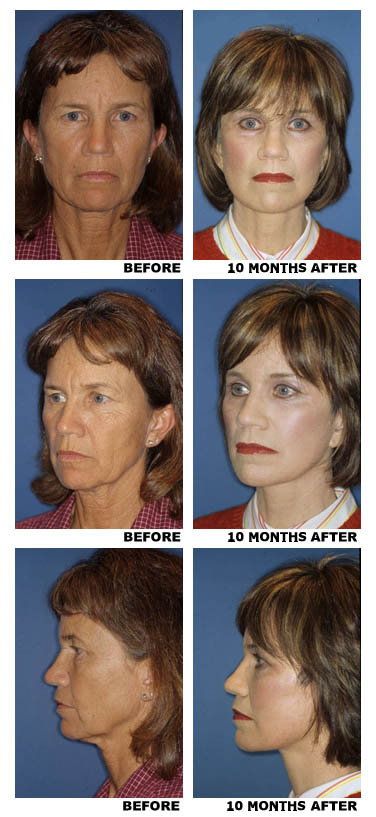
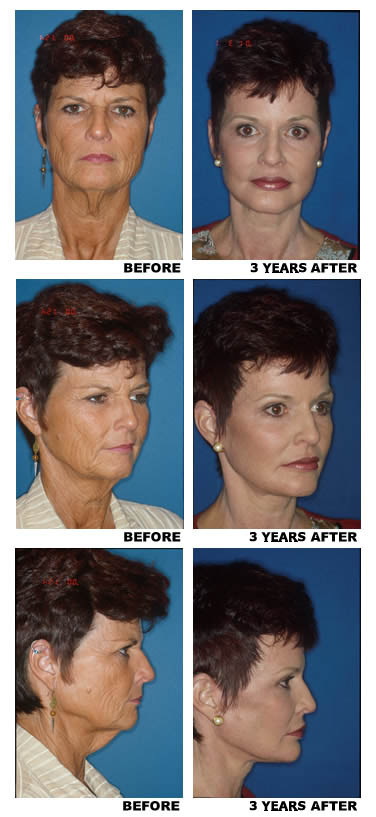
Patient came from Salt Lake City, Utah.
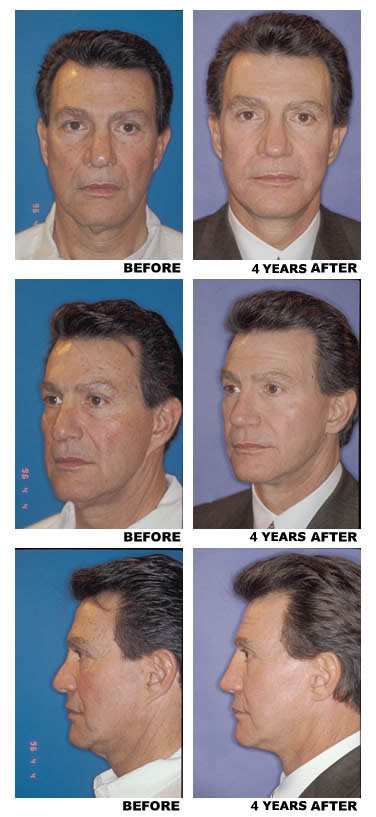
Patient had 2 previous Superficial Facelifts by OTHER SURGEONS.
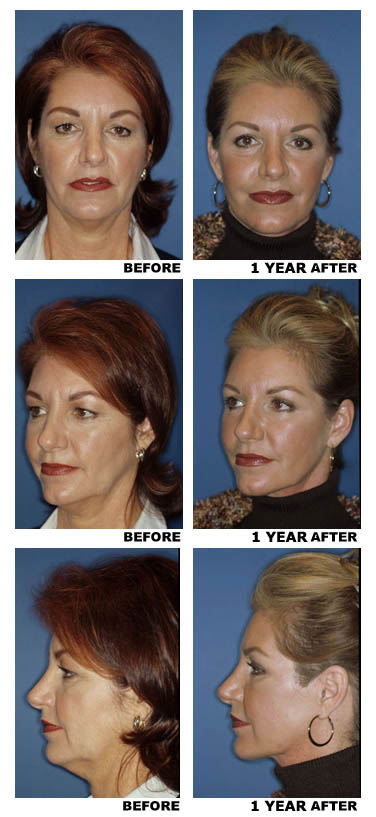
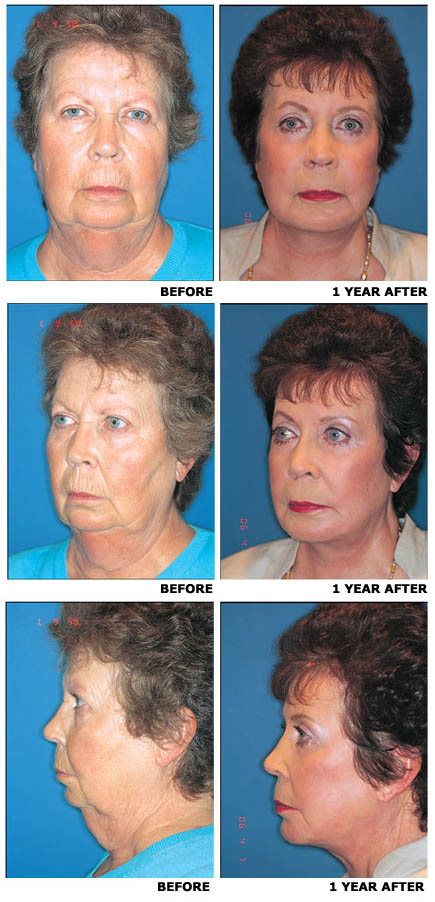
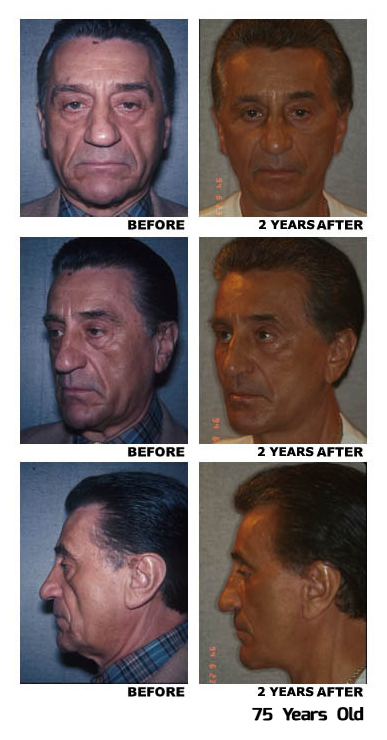
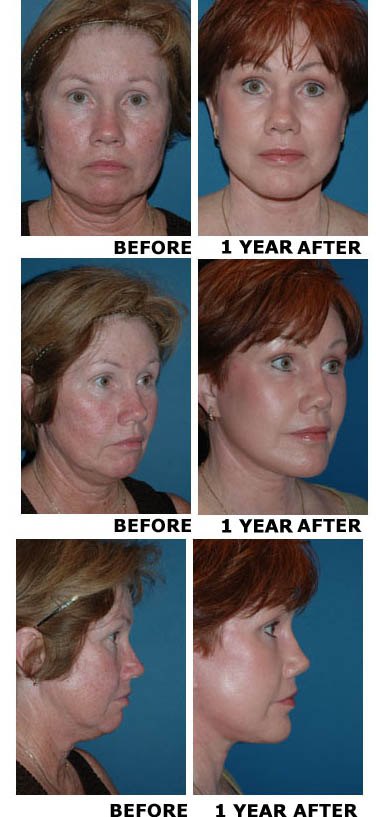
Patient came from California
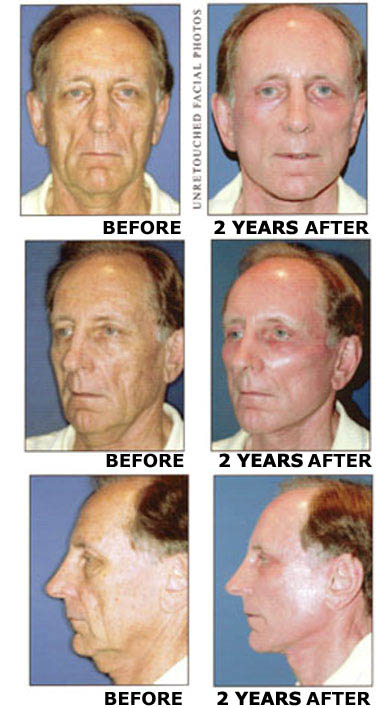
After Photo: 10 Days After Laser Skin Resurfacing
Patient came from Kansas.
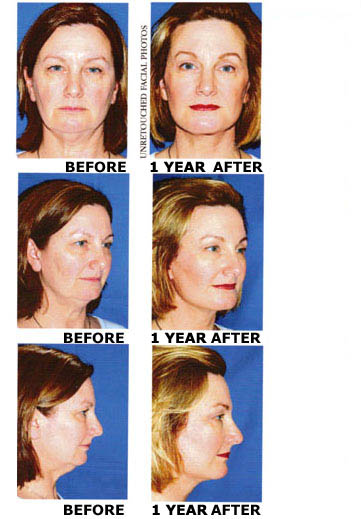
Patient came from California.
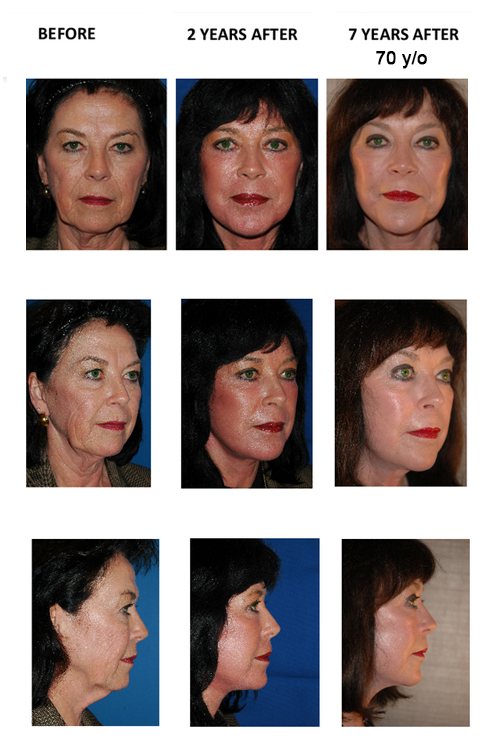
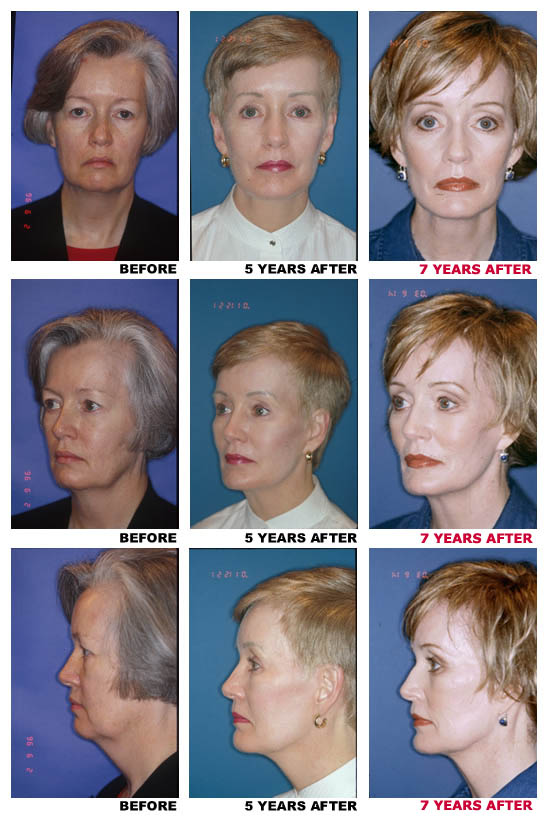
Patient came from Chicago.
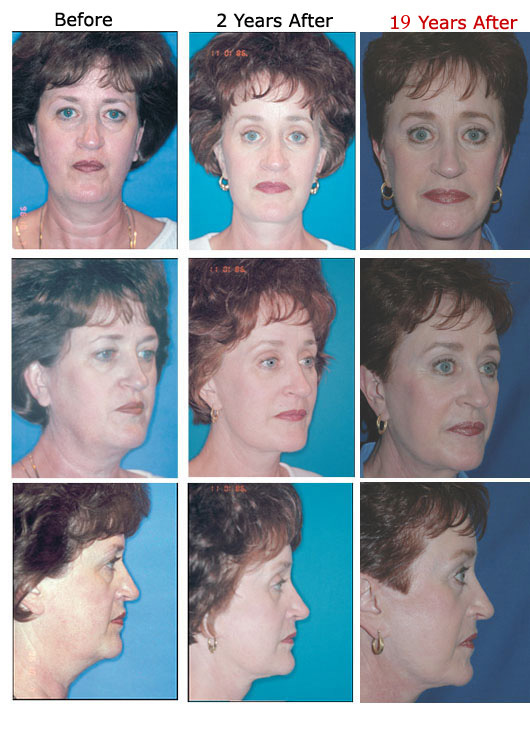
Patient came from California.
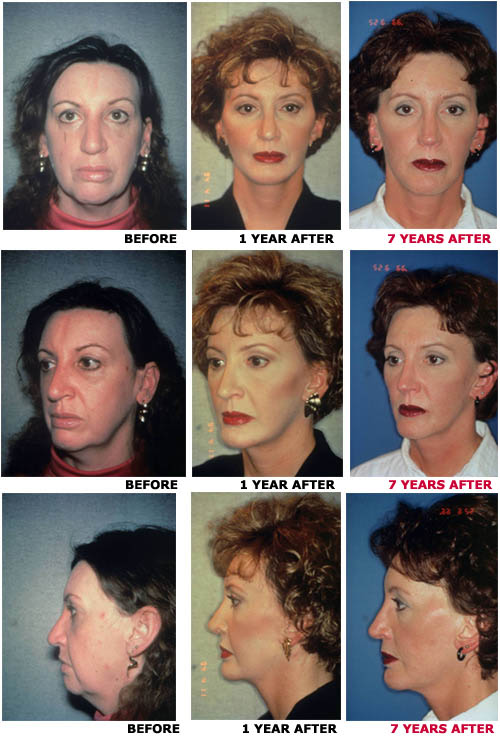
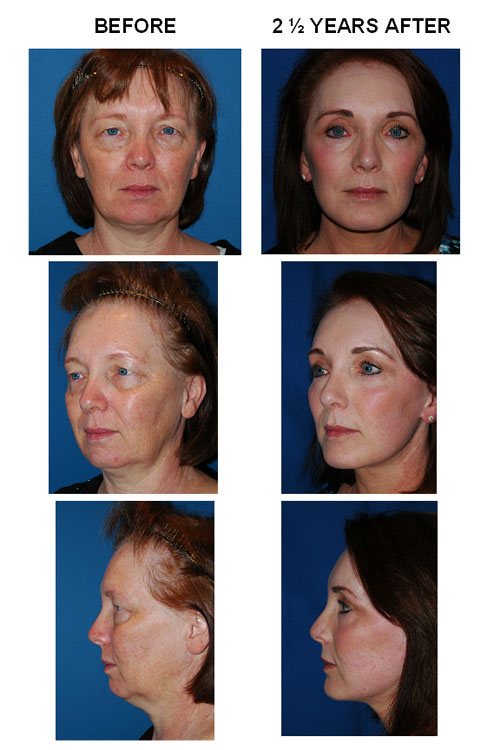
Patient came from California.